POS system for restaurant, café, and HoReCa staff
Focused on fast and error-free order management in medium to high-load environments, with cloud service and modern integrations.
B2B · Tablet Design
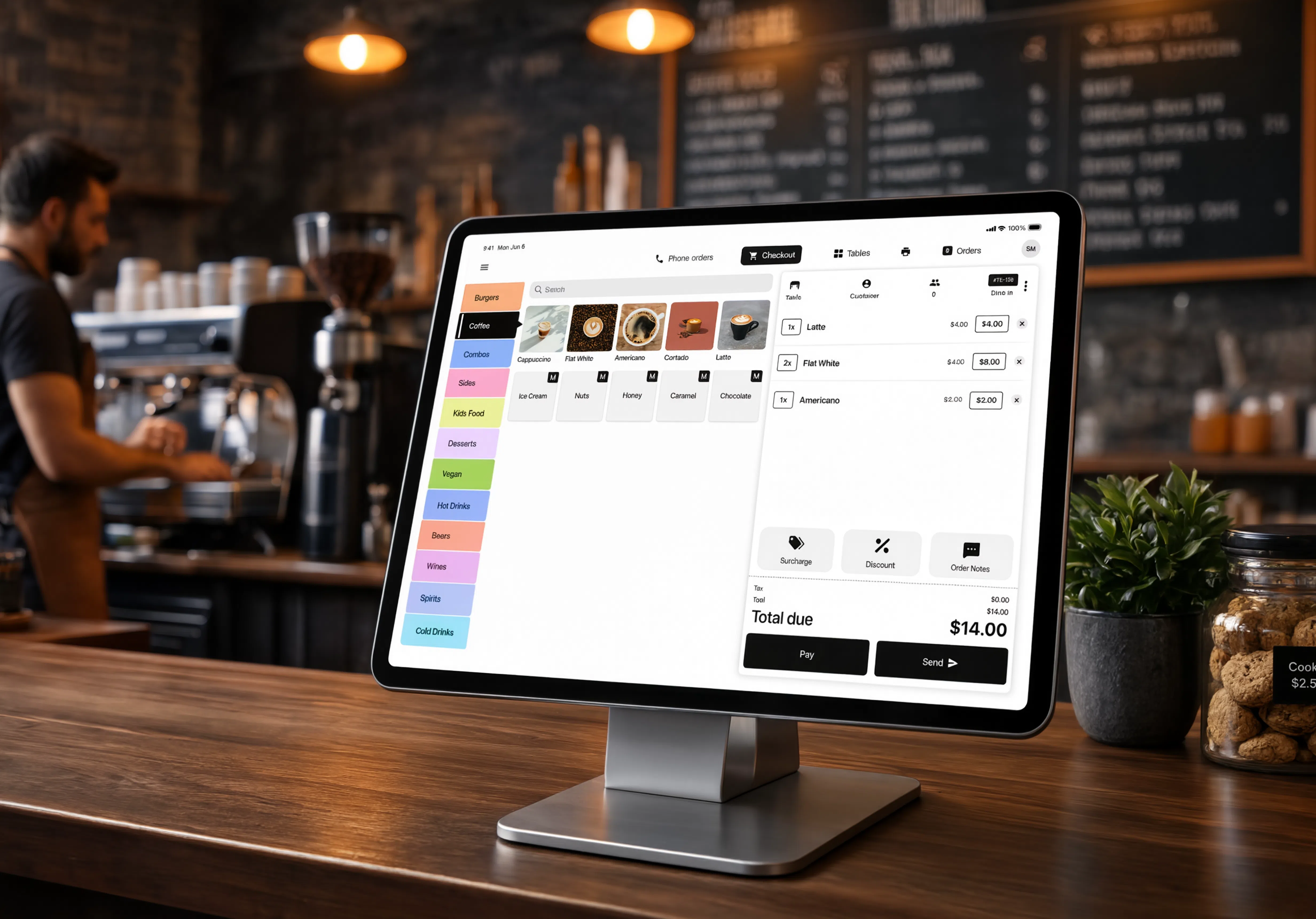
Overview
Focused on fast and error-free order management in medium to high-load environments, with cloud service and modern integrations.
My Responsibility
Design Process
Understand the needs and challenges of business and customers. Research of competitors and data analysis, feedback, information collection.
Clearly articulate the problem statements based on insights gathered from the empathy phase.
Working with ideas, design options, brainstorming with the team, using AI tools.
Develop prototypes with different ideas using AI tools to visualize and test the proposed solutions. And Work with UI design.
The team and the first clients are testing the design, collecting initial feedback and improving the design.
Problem & Solution
Challenge
Working within a cross-functional team from the product's earliest stages, the main challenge was finding quality UX solutions without direct access to end users — navigating owner-driven requirements, fast-moving feature scope, and the specific pressures of HoReCa operations.
Solution
Grounded every decision in secondary UX research, established HoReCa design patterns, and a genuine curiosity about how restaurants and cafés actually work. Brought structure and clarity to complex flows — order creation, modifier logic, payment — where the margin for error is zero.
Developer Handoff
Throughout the project, I worked in close collaboration with developers — participating in regular syncs, clarifying design intent, and adapting solutions based on technical constraints. Before presenting decisions to the product owner, the designer and developer would validate solutions together internally, ensuring feasibility and catching edge cases early.
UI Design Phase — Core screens
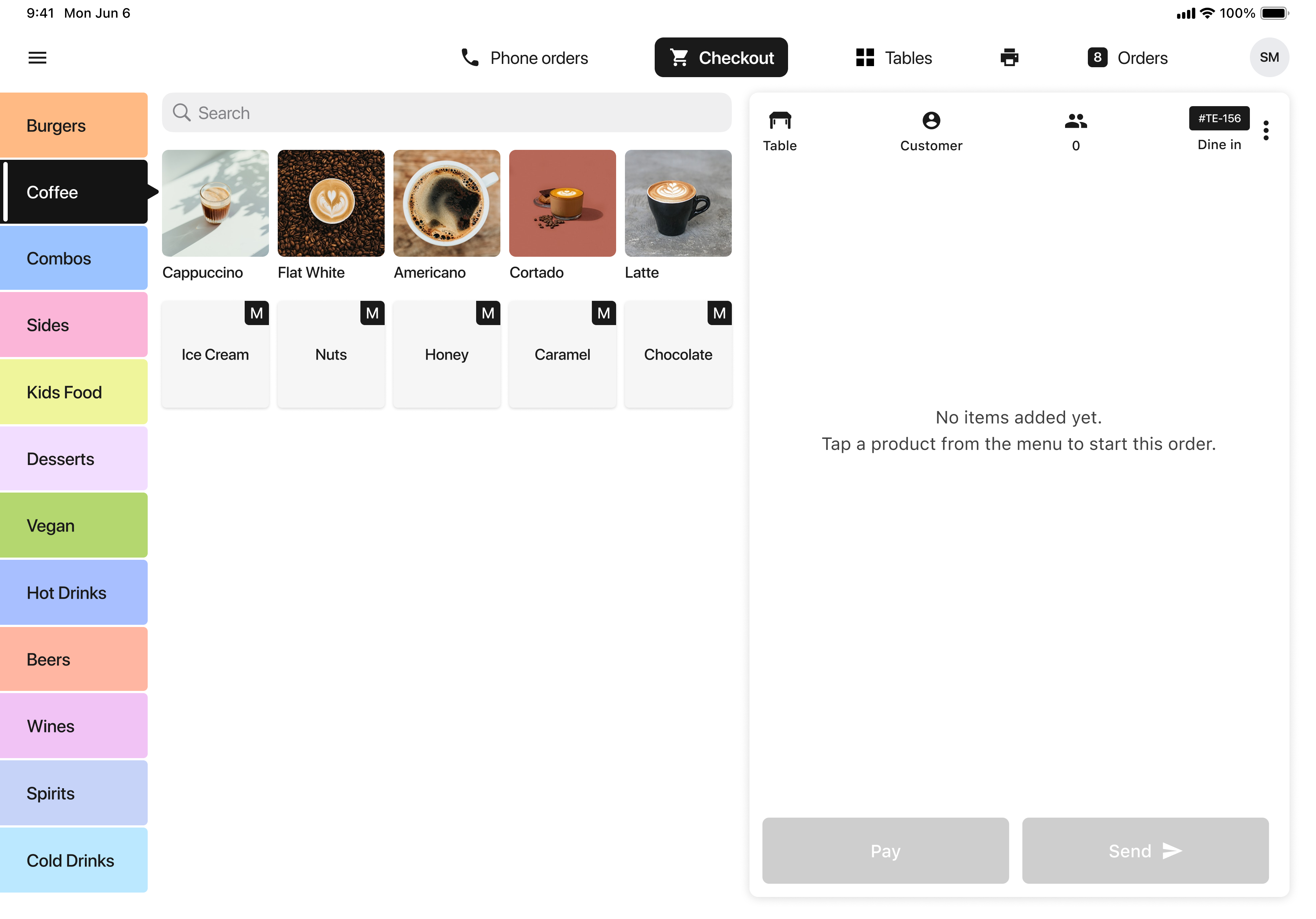
Empty cart state
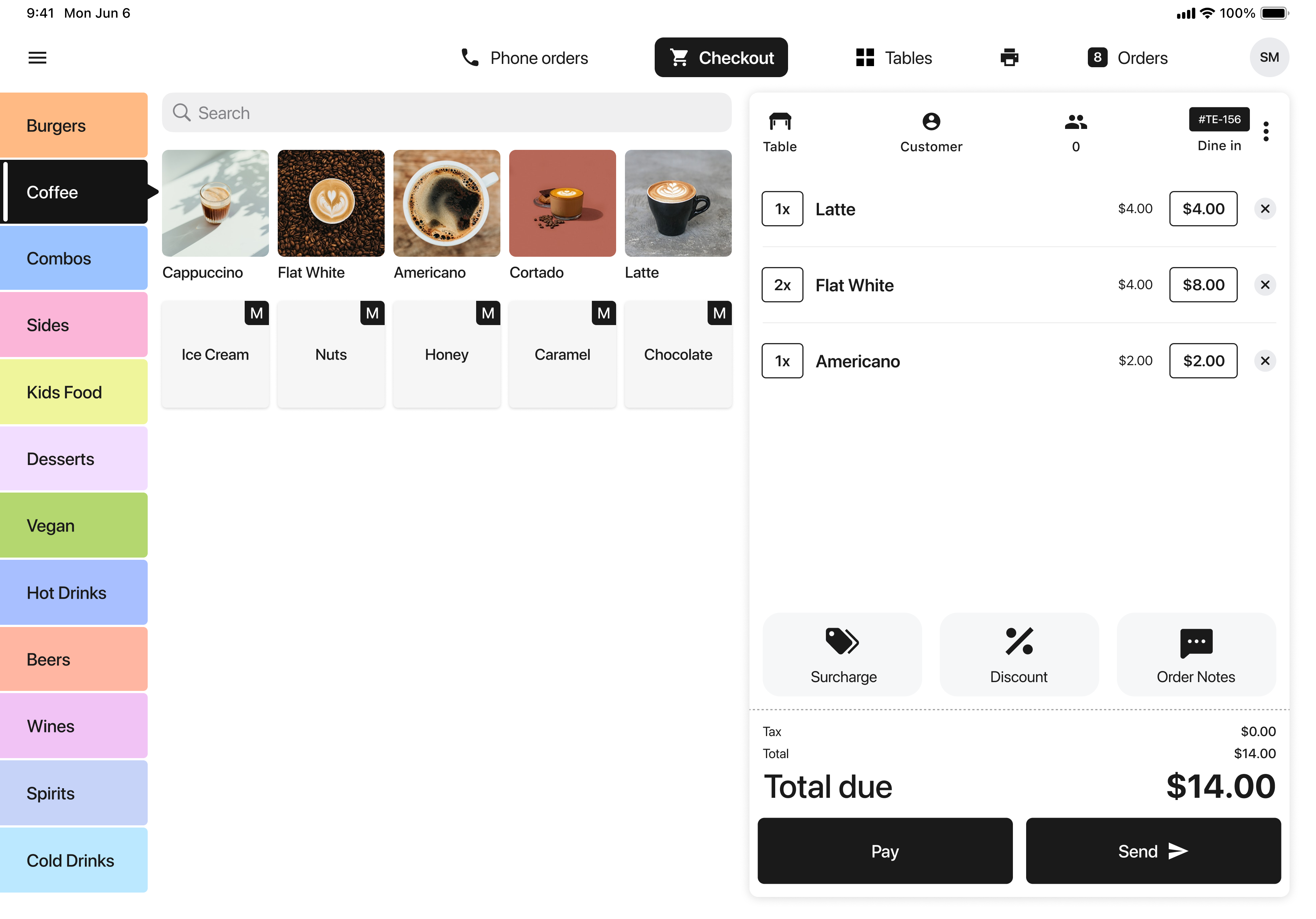
Cart with products added
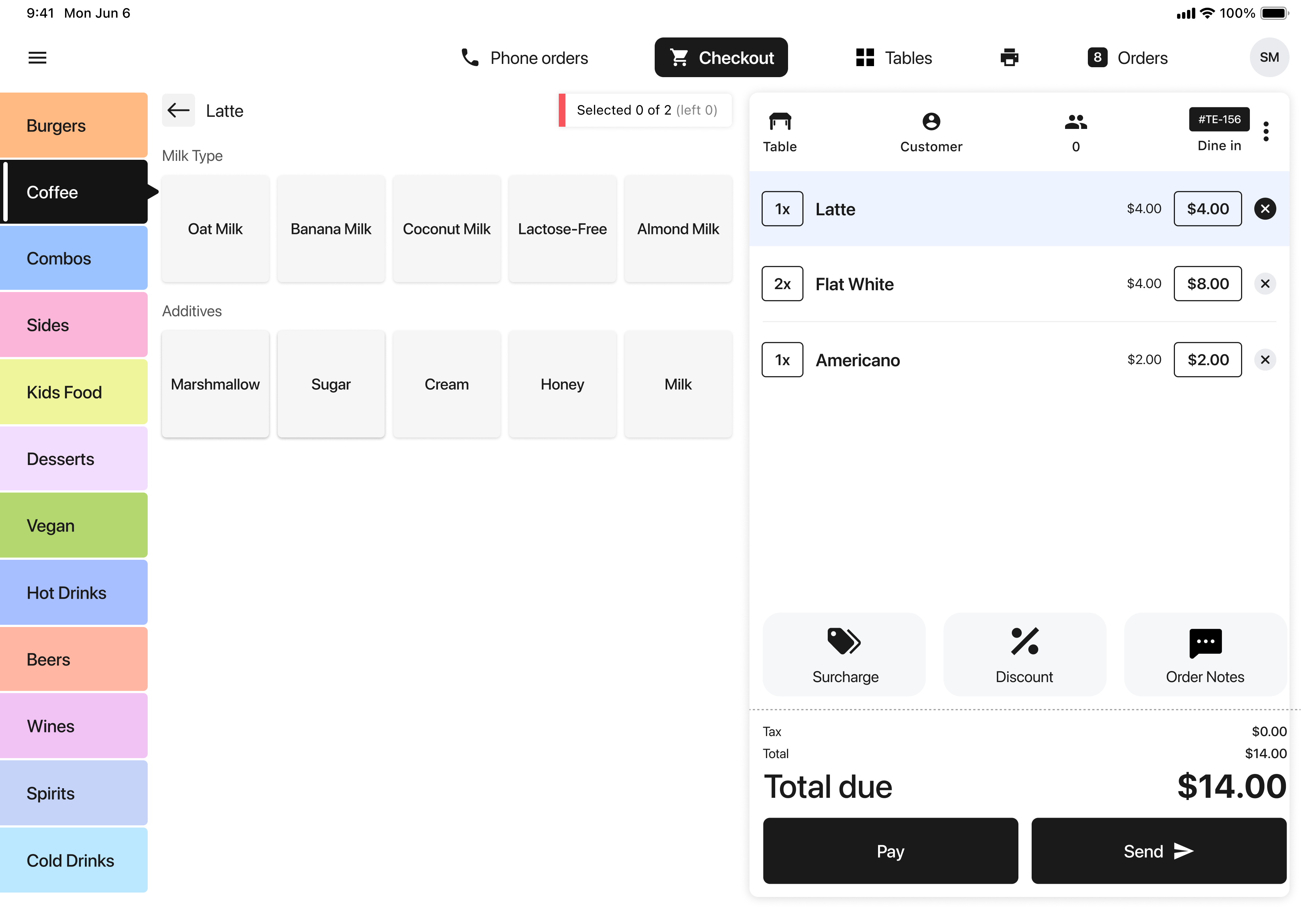
Modifier selection panel
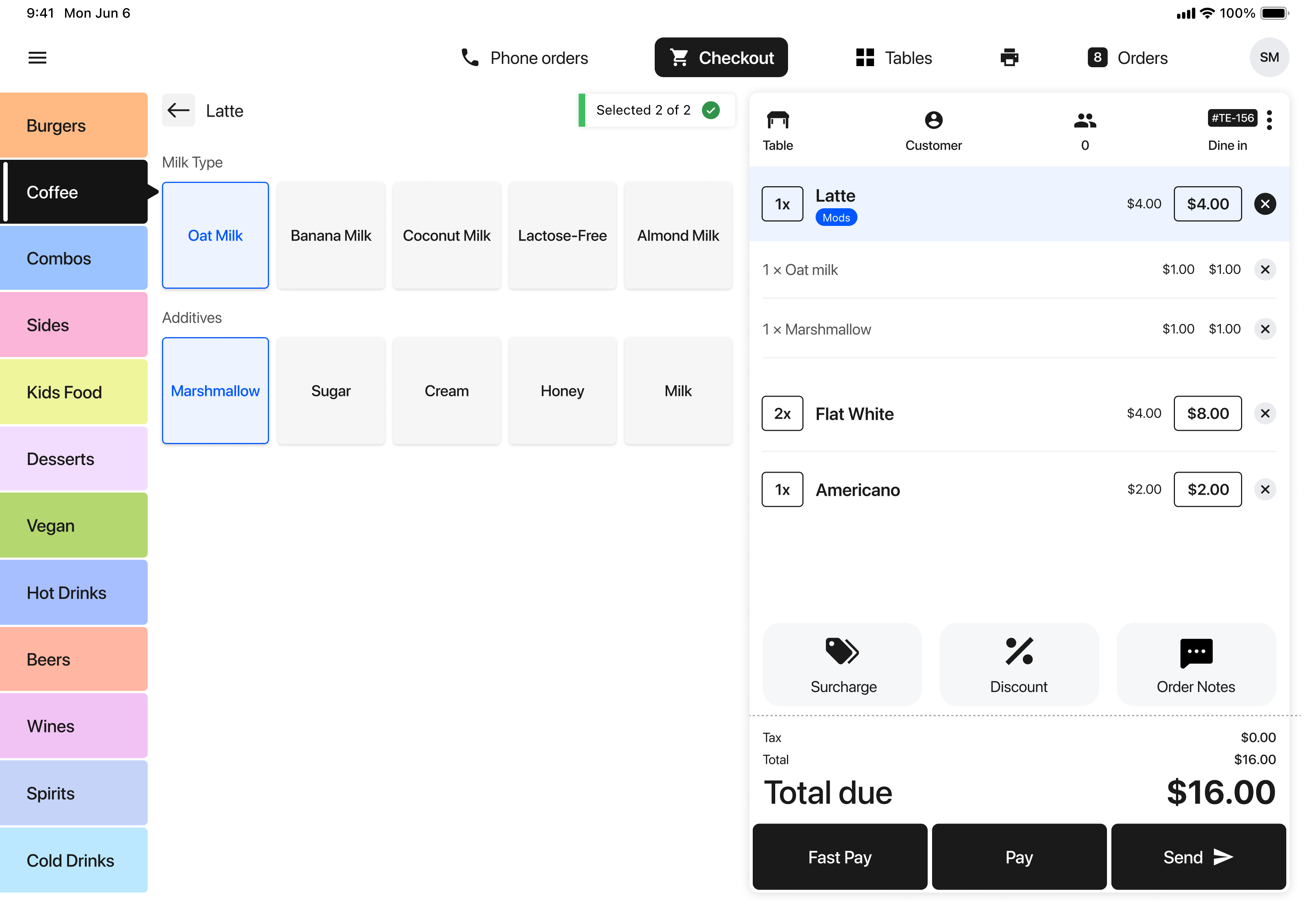
Modifiers selected
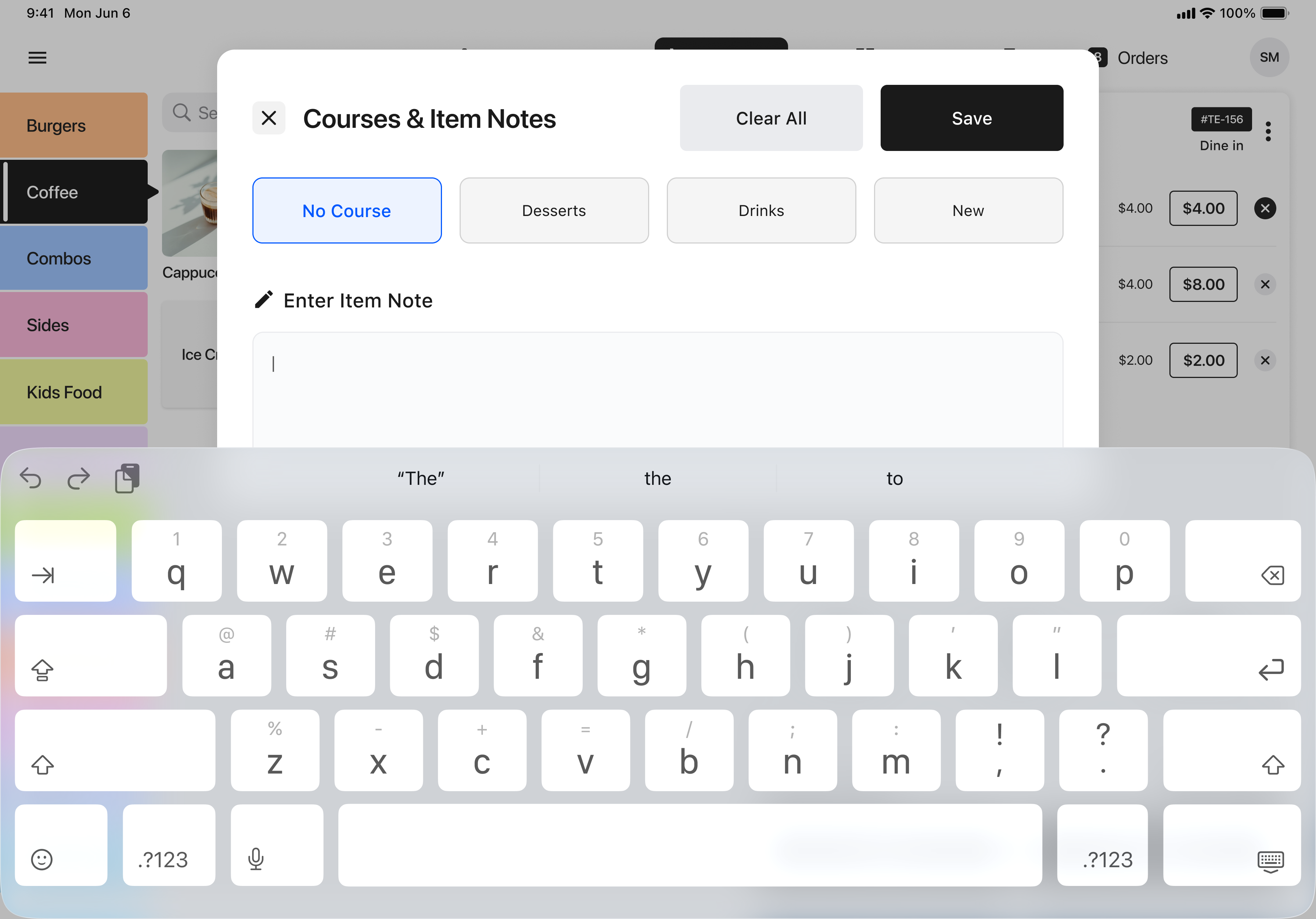
Item notes modal
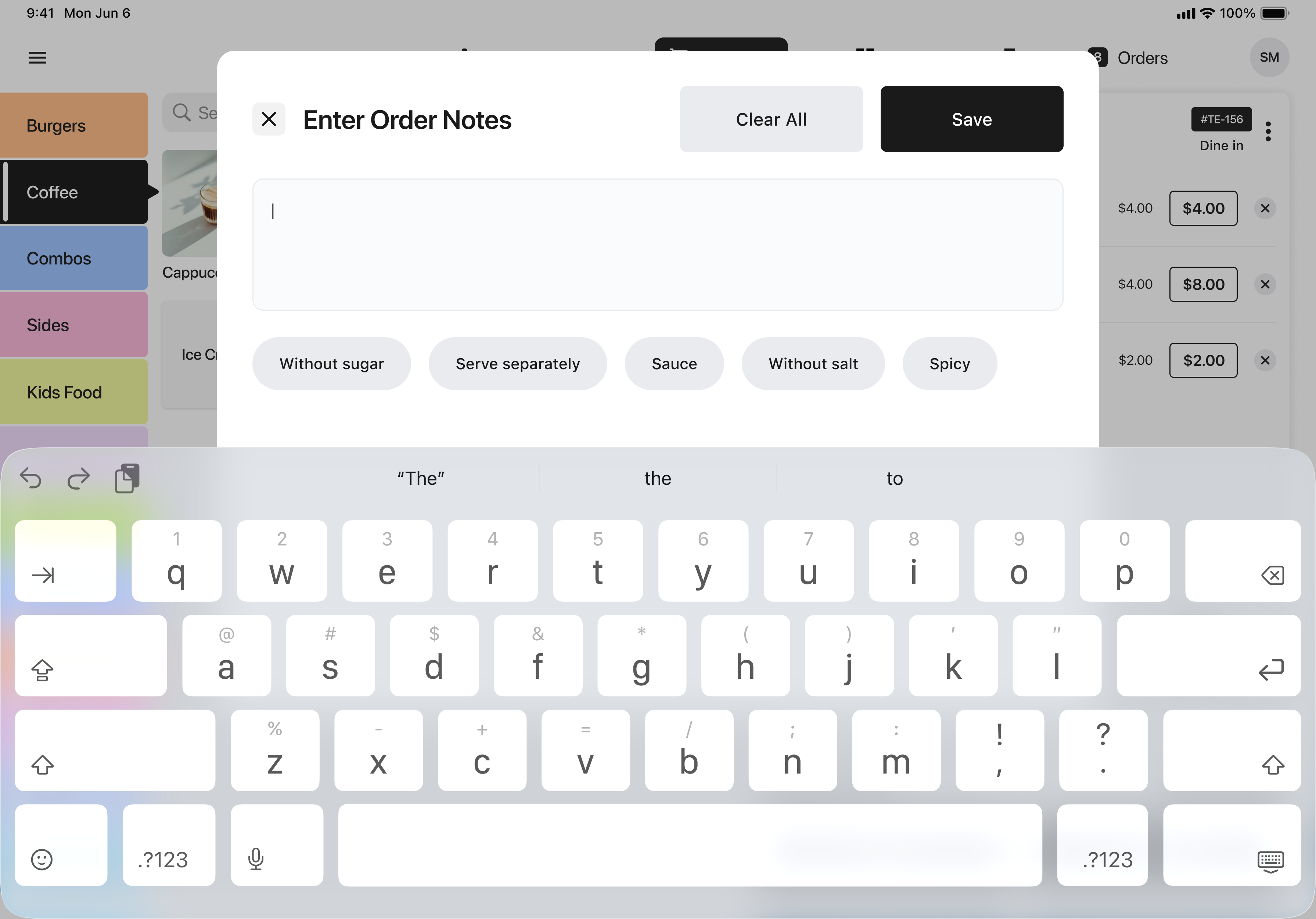
Order notes modal
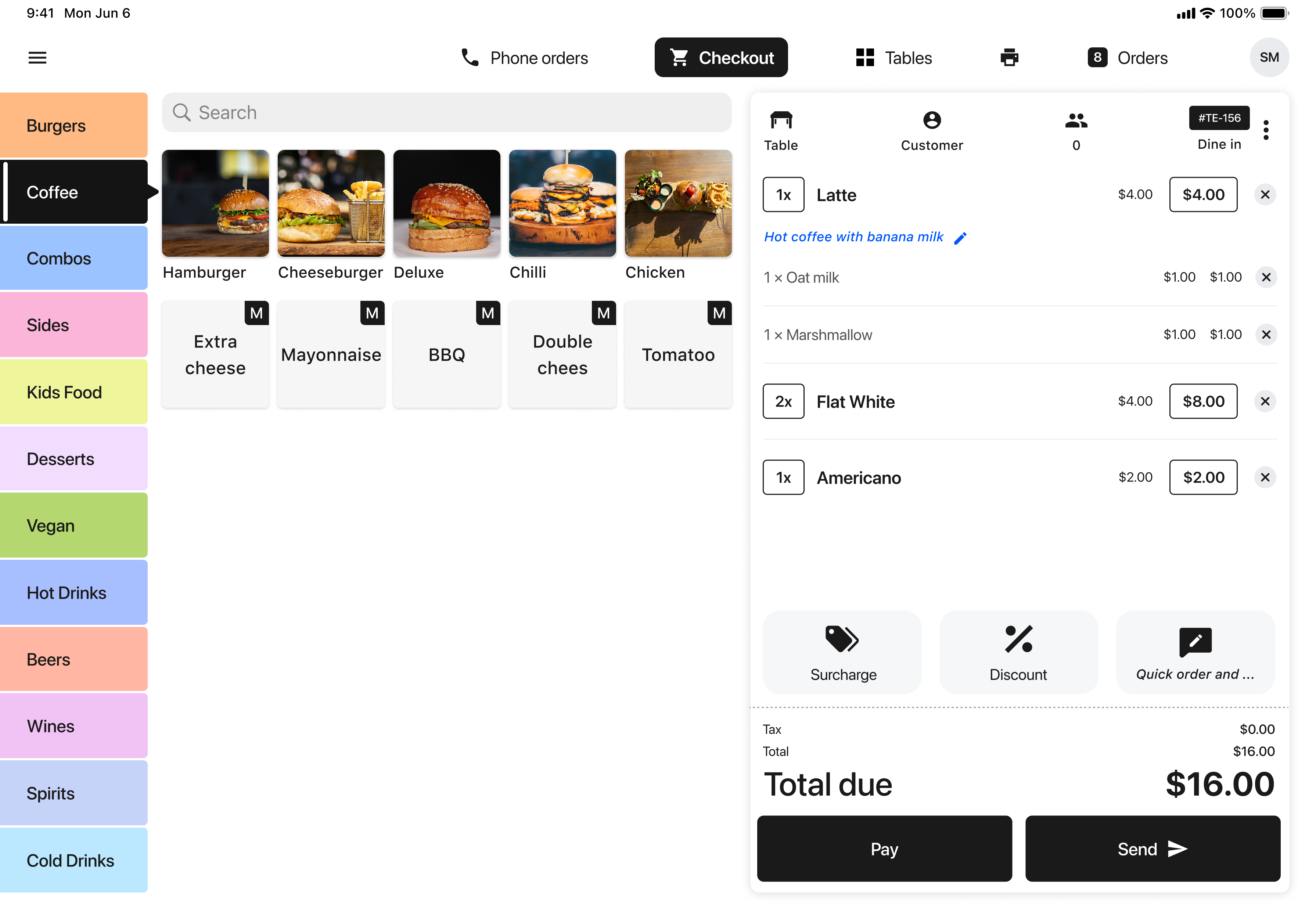
Order & item notes applied
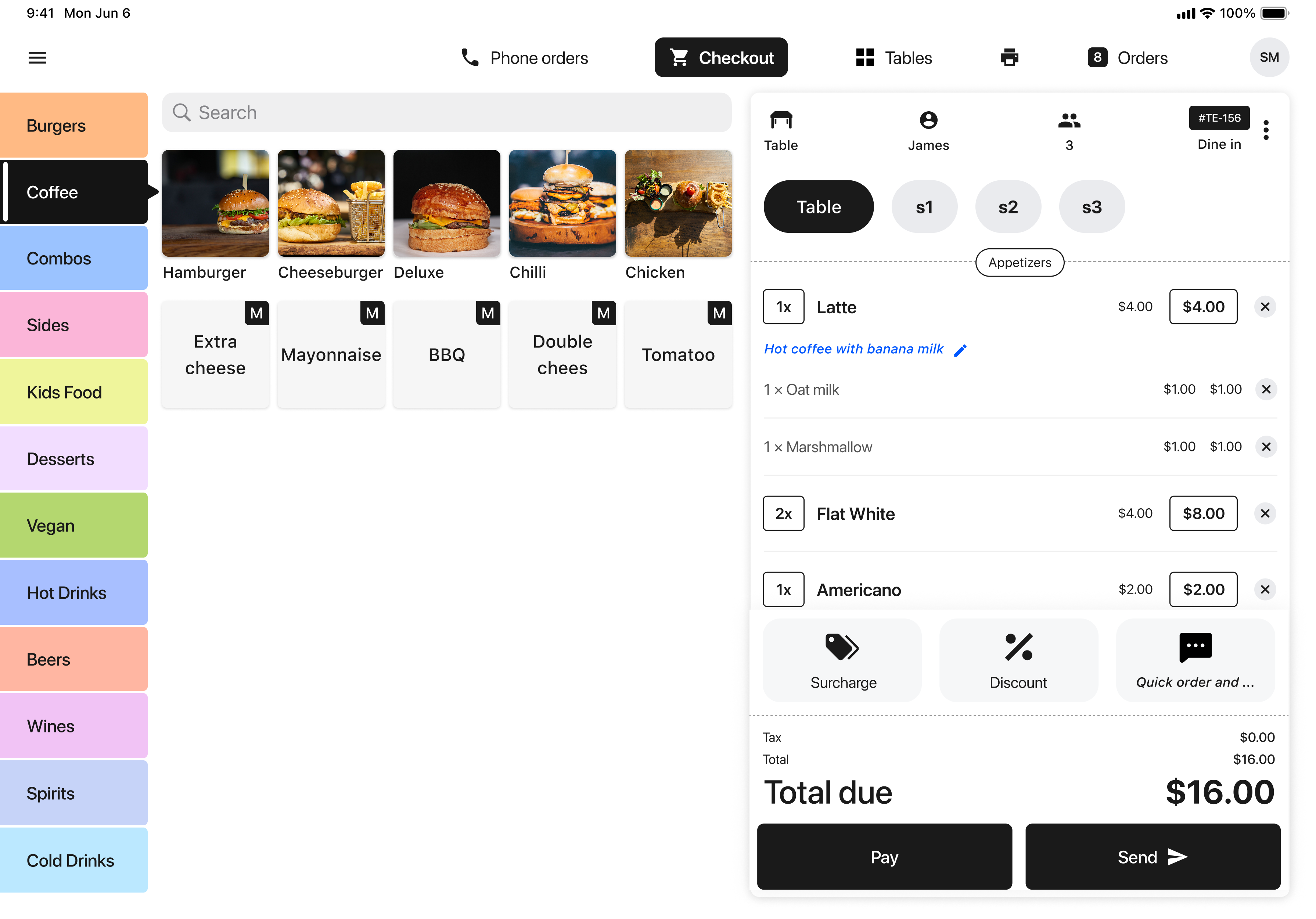
Cart with seats & course
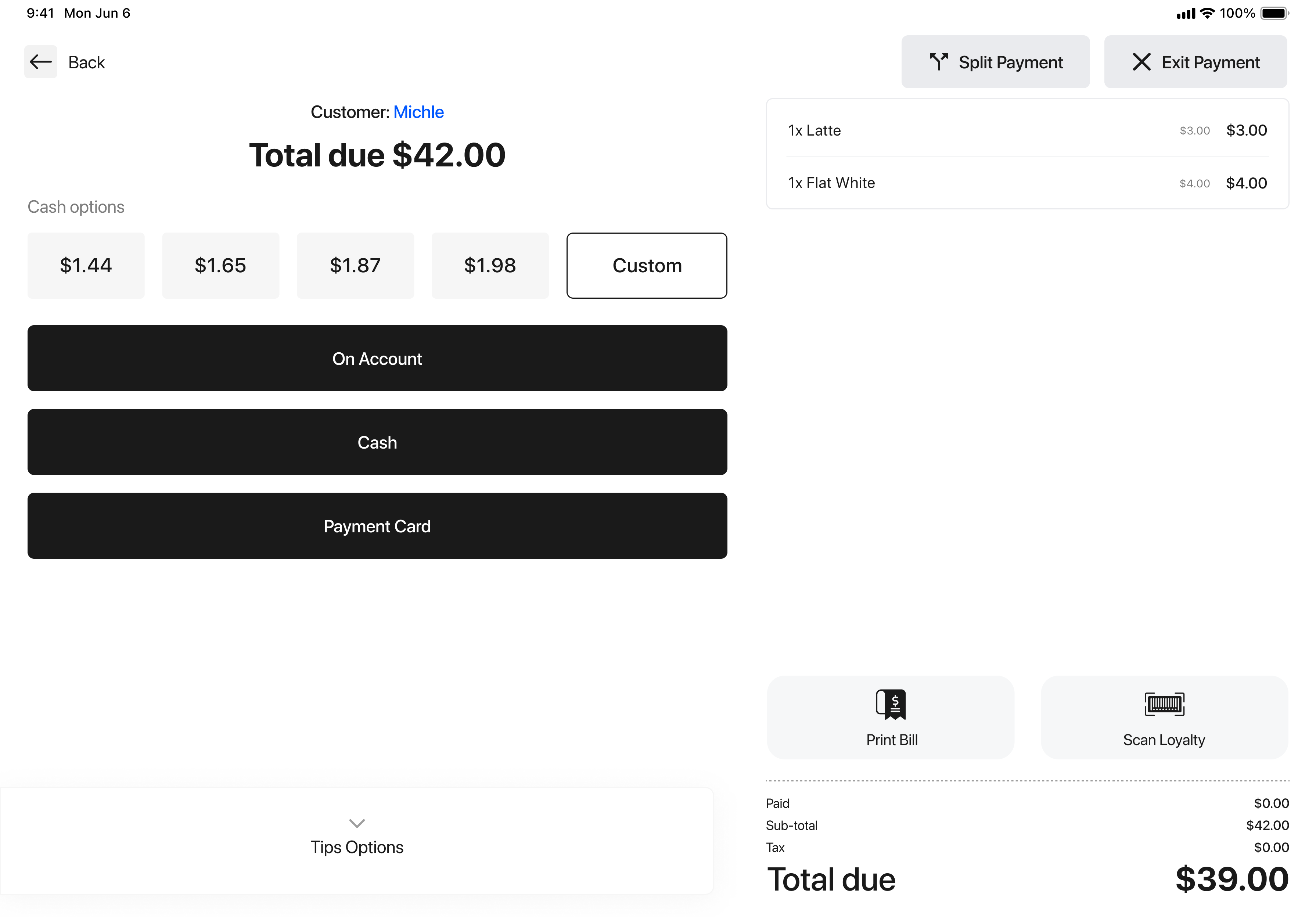
Payment flow
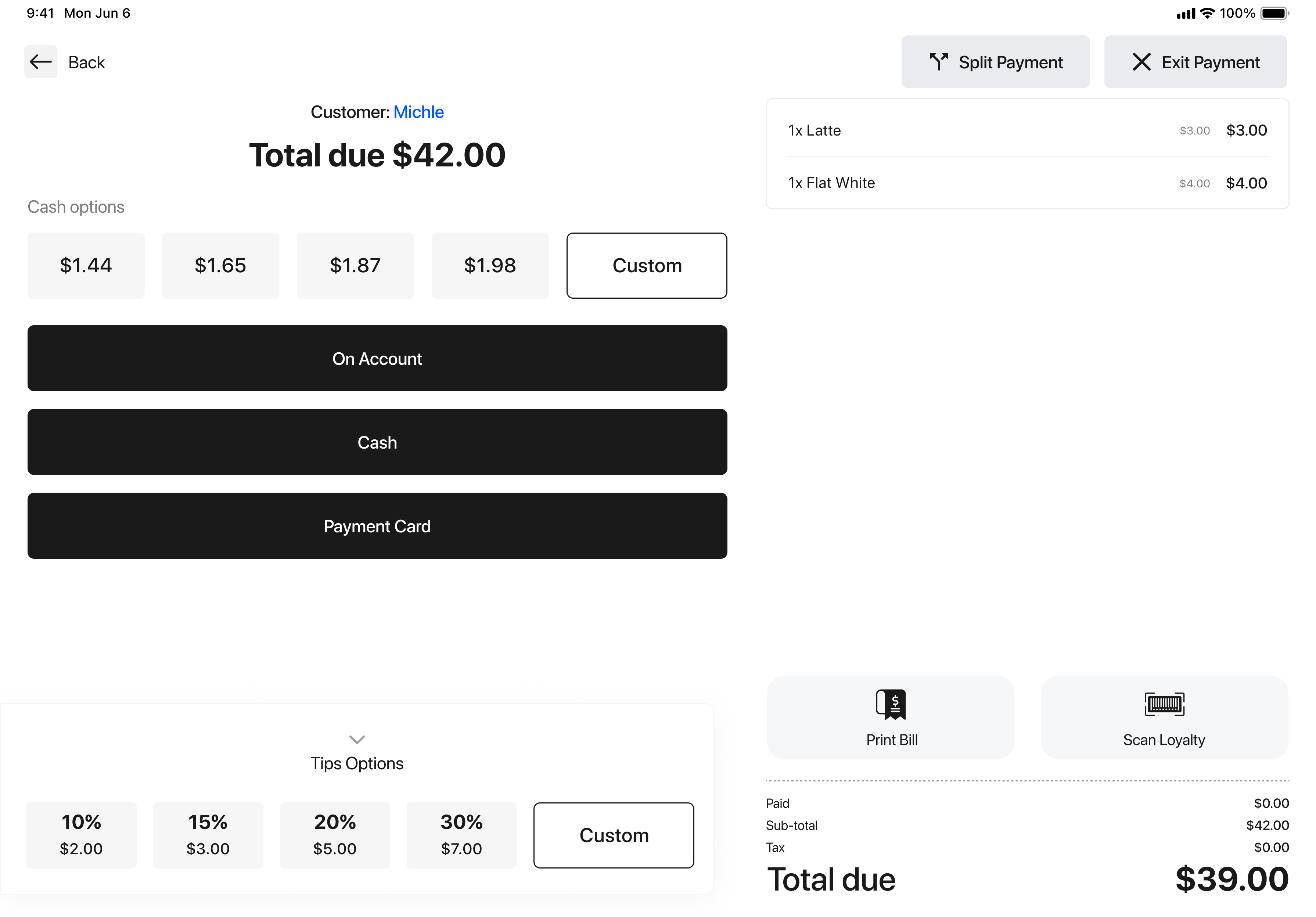
Payment flow with tips
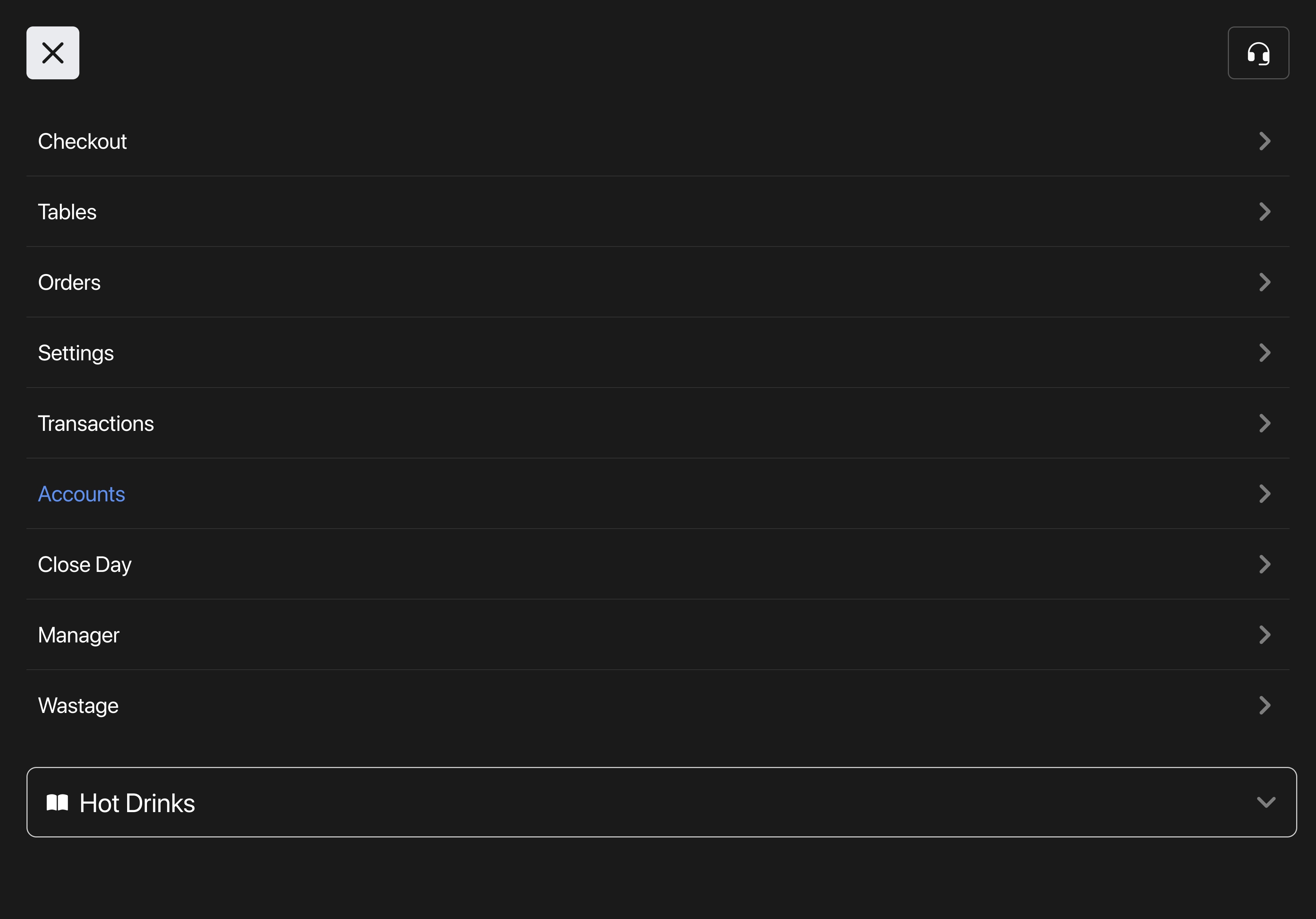
Navigation — accessing Accounts
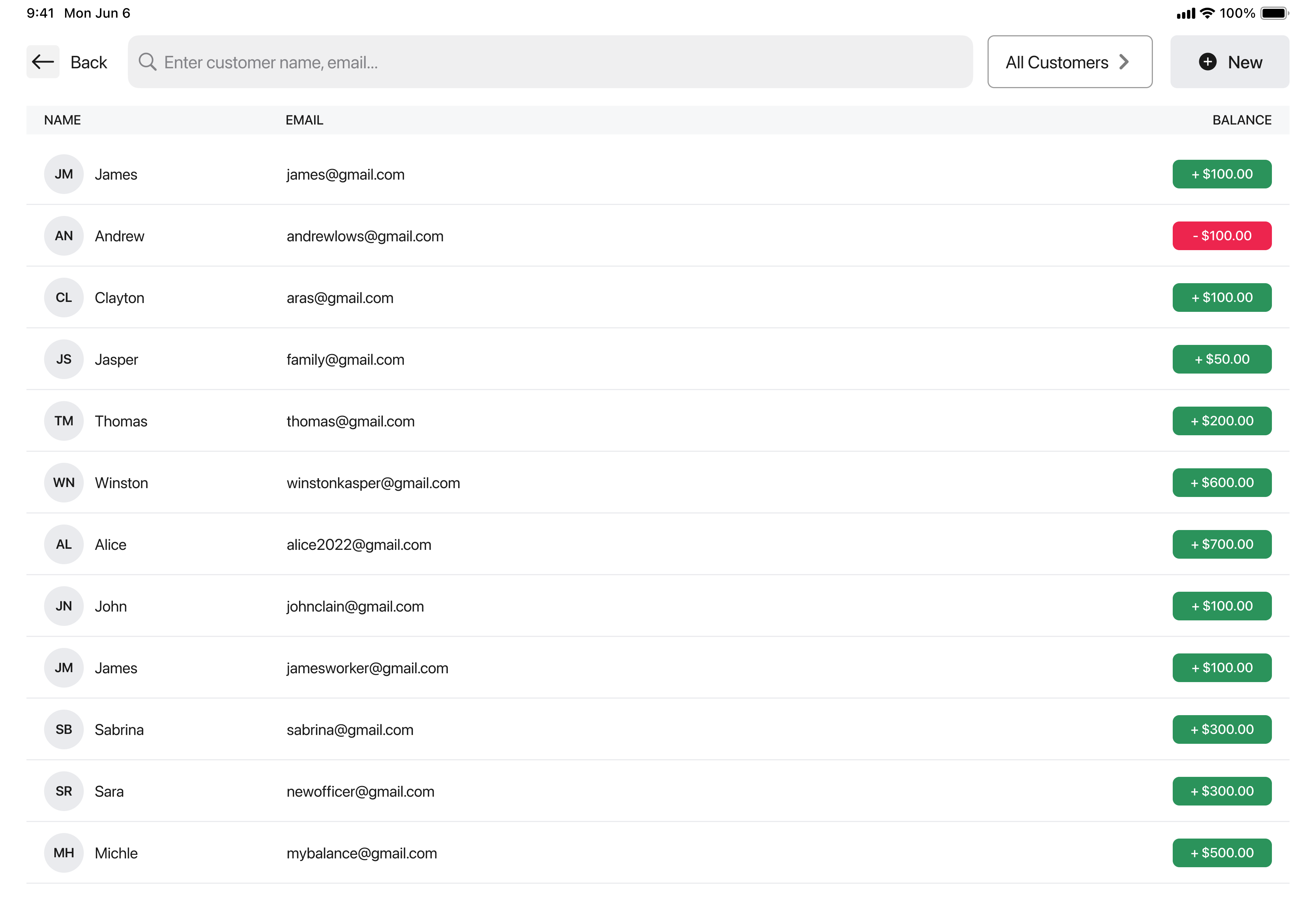
Accounts list with balance overview
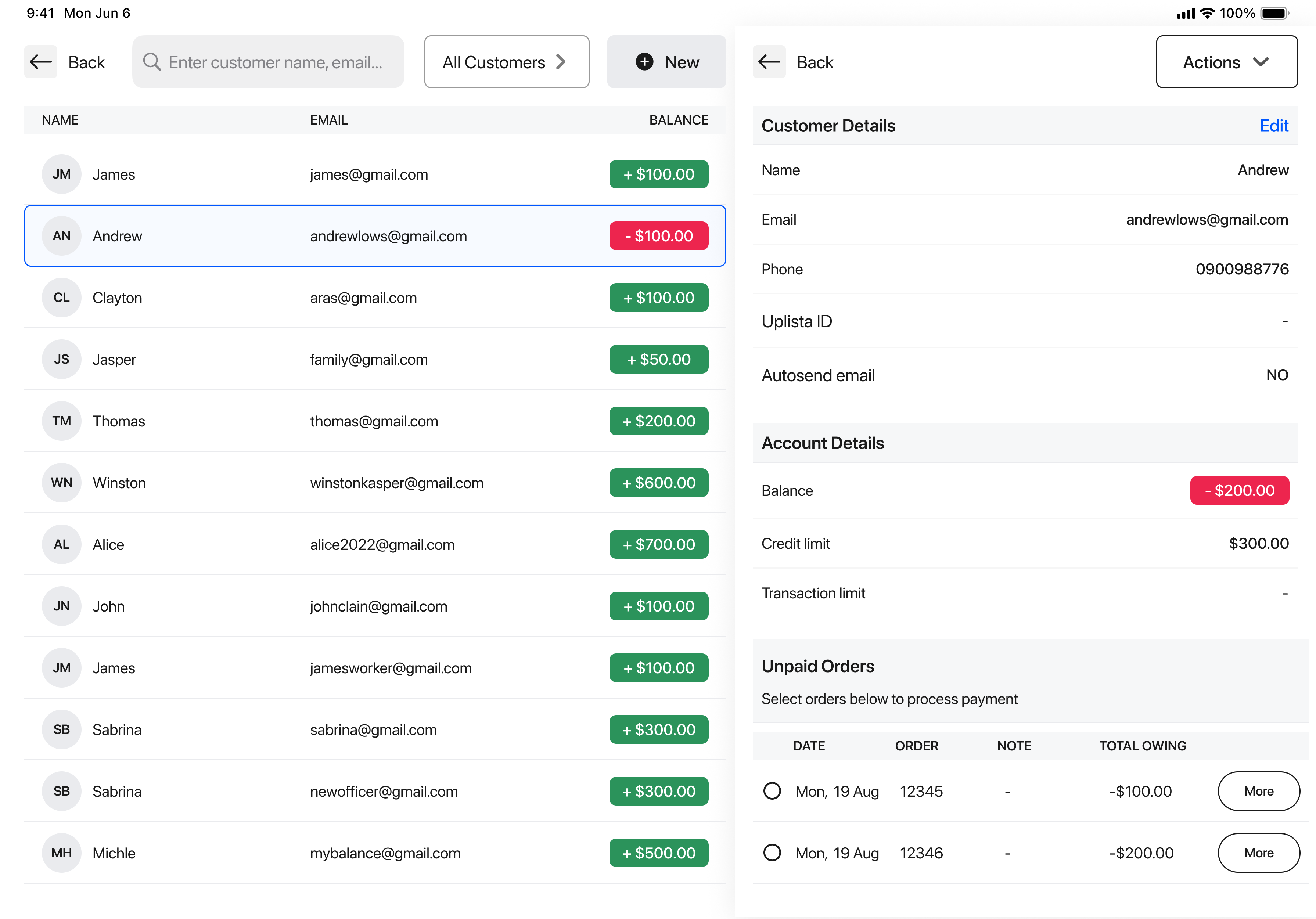
Account detail & order history
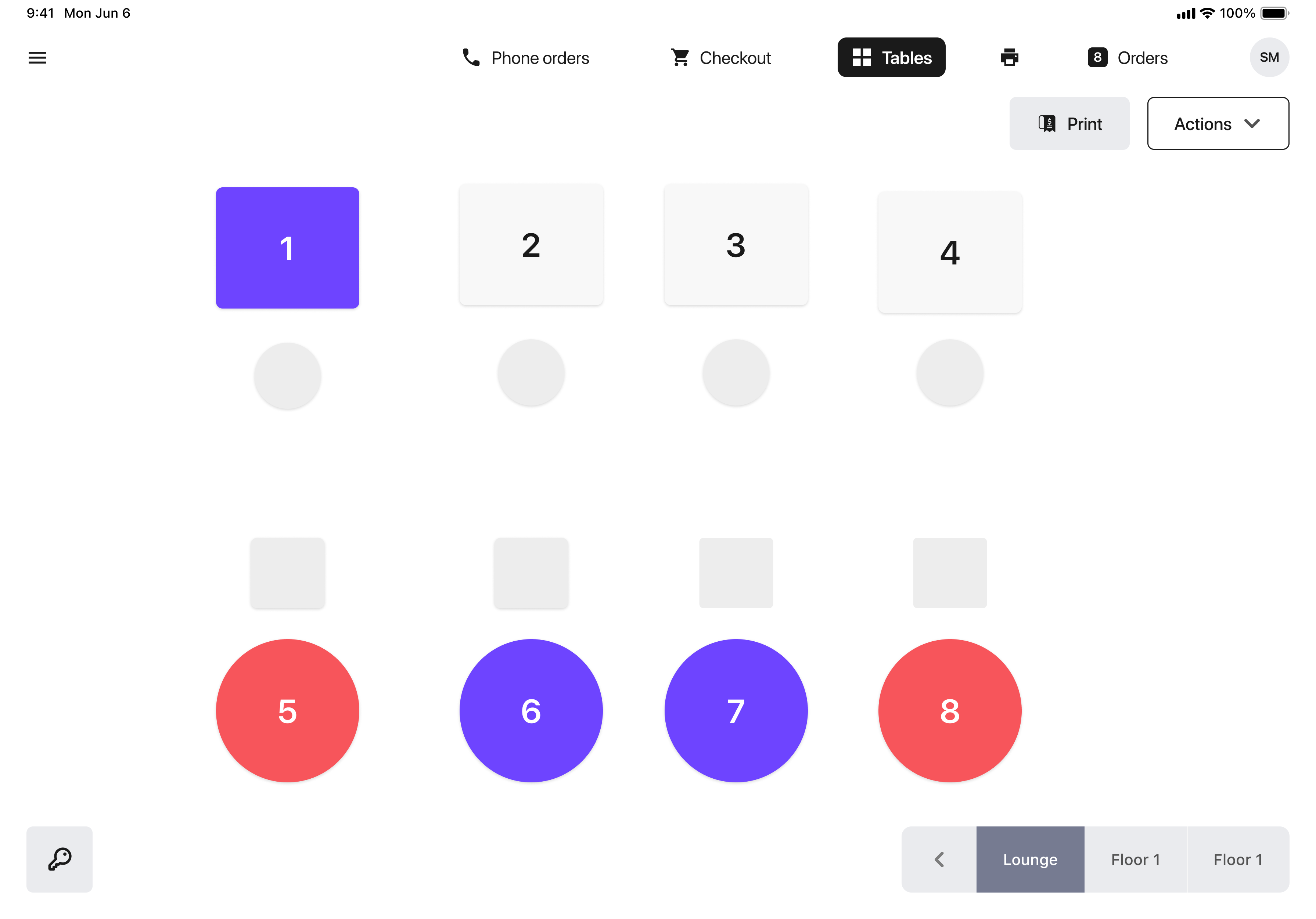
Tables overview
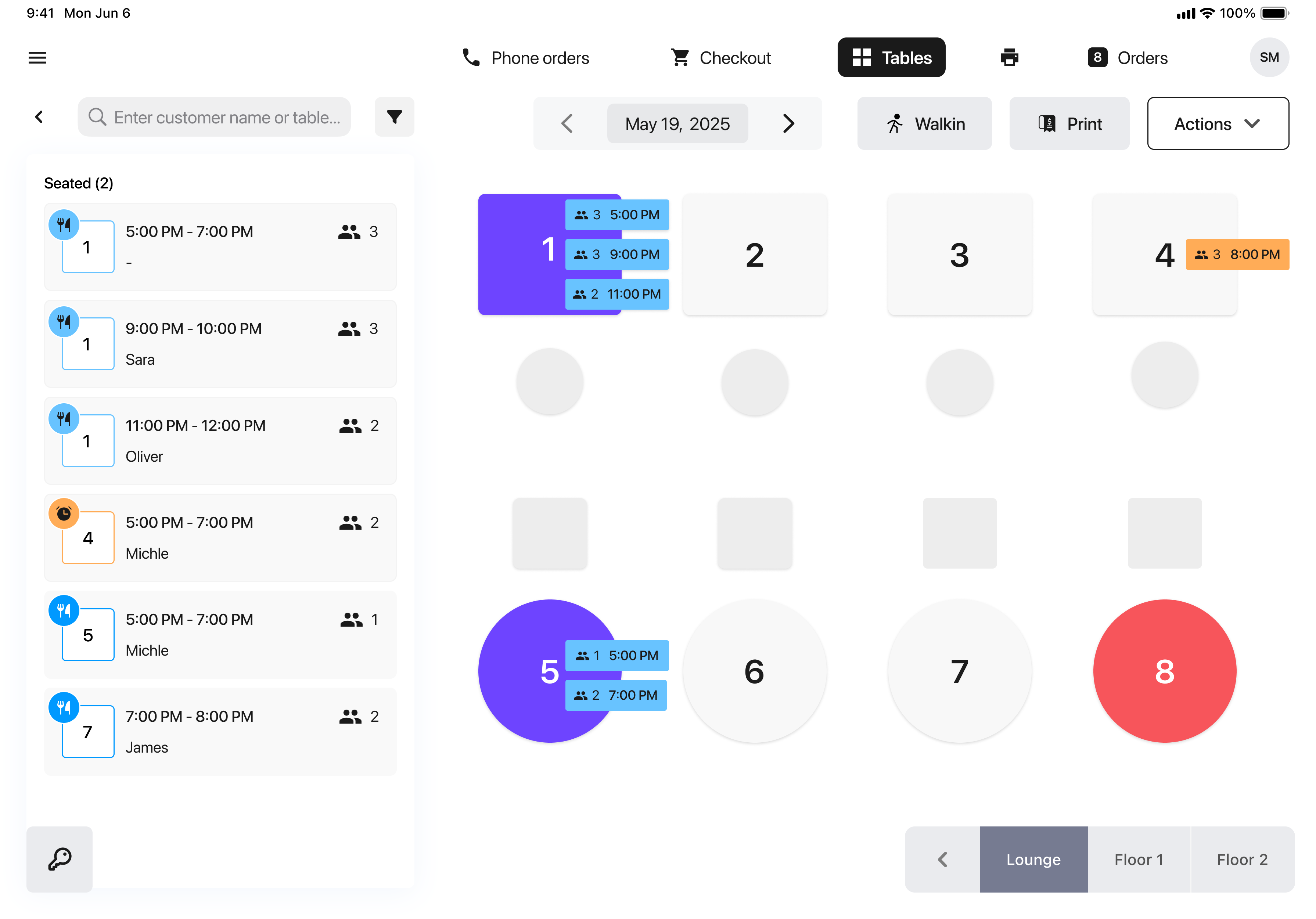
Table map with walk-in
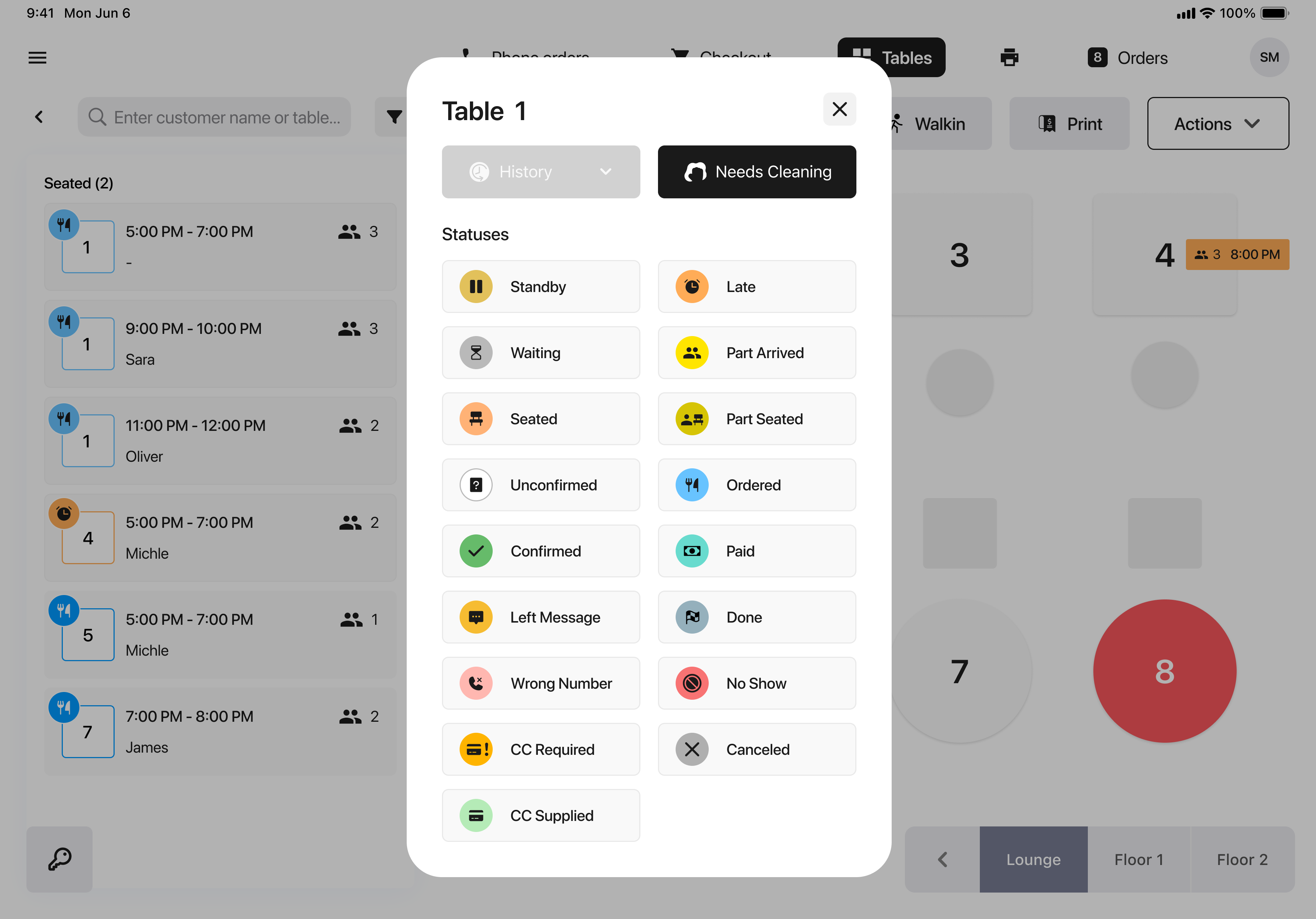
Table status list
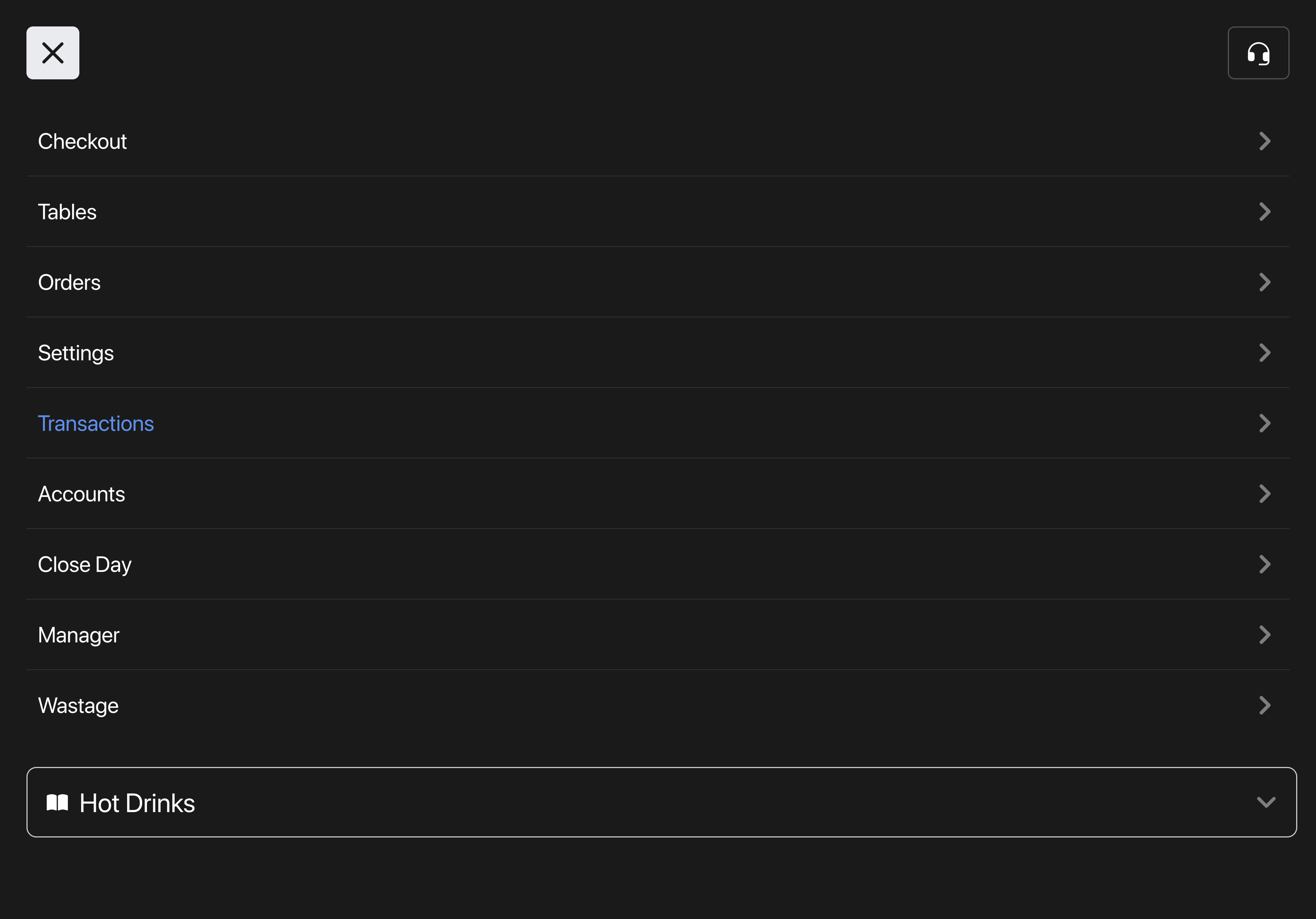
Navigation — accessing Transactions
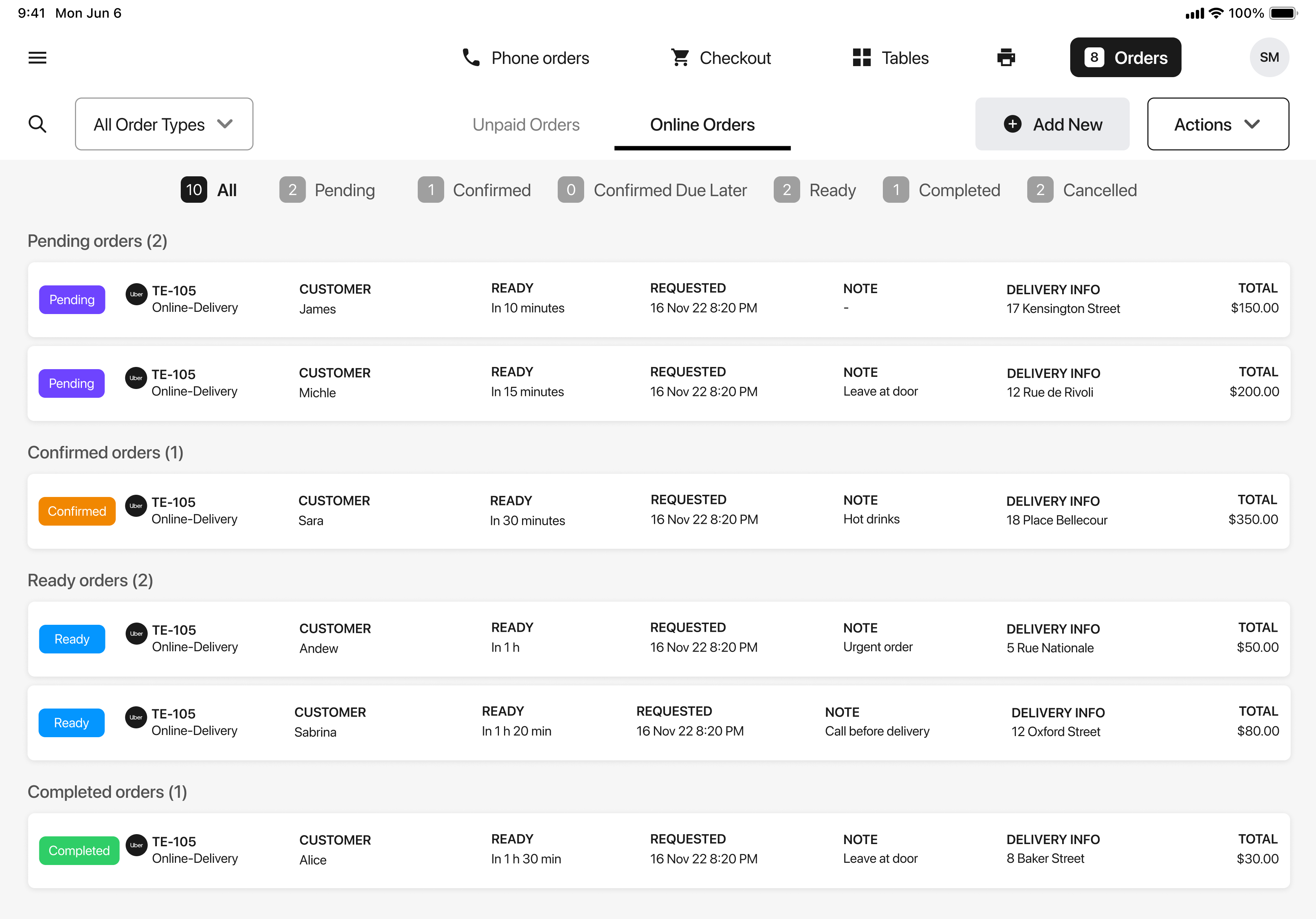
Orders overview
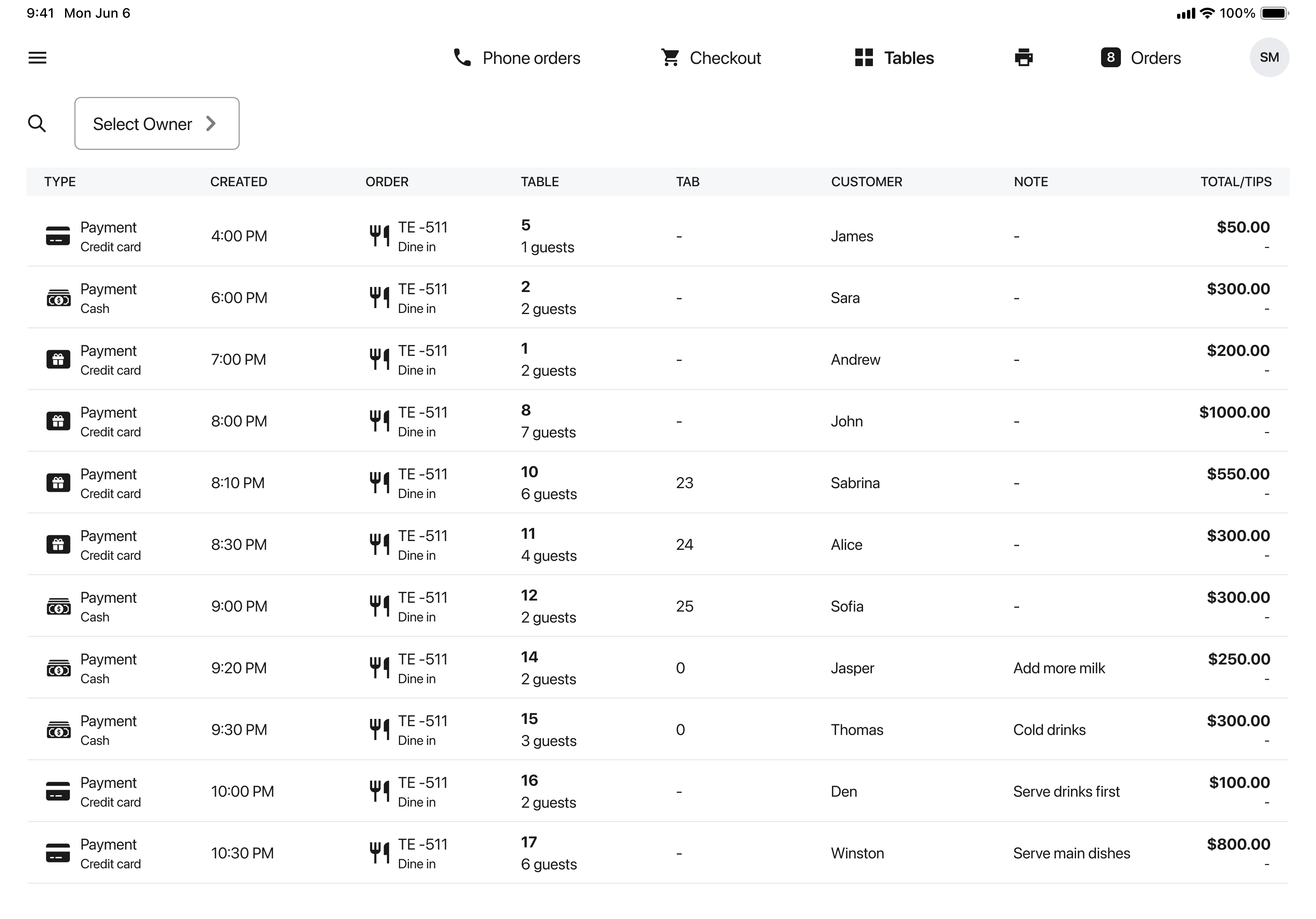
Transactions overview
Outcomes & Impact
First functional versions shipped
Core POS flows — order creation, modifier selection, checkout, payment — designed and delivered as working product versions in collaboration with the dev team.
Iterated on real feedback
Design decisions were refined through ongoing feedback cycles with the team and product owner, improving usability and reducing friction in key staff workflows.
Complex flows made simple
Multi-step flows like modifier logic and table management were structured to reduce cognitive load for staff — clear hierarchy, minimal taps, zero ambiguity.
Design system foundation
Established consistent patterns and components across POS features — creating a foundation for faster design and development in subsequent product iterations.
This project is presented for portfolio purposes only. While not under NDA, all business data are confidential. Only selected core screens are shown, and all information has been modified to protect privacy.
Next project
Responsive Design · UI/UX